
The South African branding landscape is experiencing a seismic shift. As artificial intelligence becomes ubiquitous in design production, small businesses face both a challenge and an opportunity: how do you stand out when anyone can generate a logo in seconds? The answer, according to leading design agencies and trend forecasters, lies in what they’re calling “The Human Edge.”
This comprehensive guide explores the emerging branding trends shaping South Africa’s small business scene in 2026, offering practical insights on color palettes, logo design, brand kits, and a strategic action plan for entrepreneurs ready to make their mark.
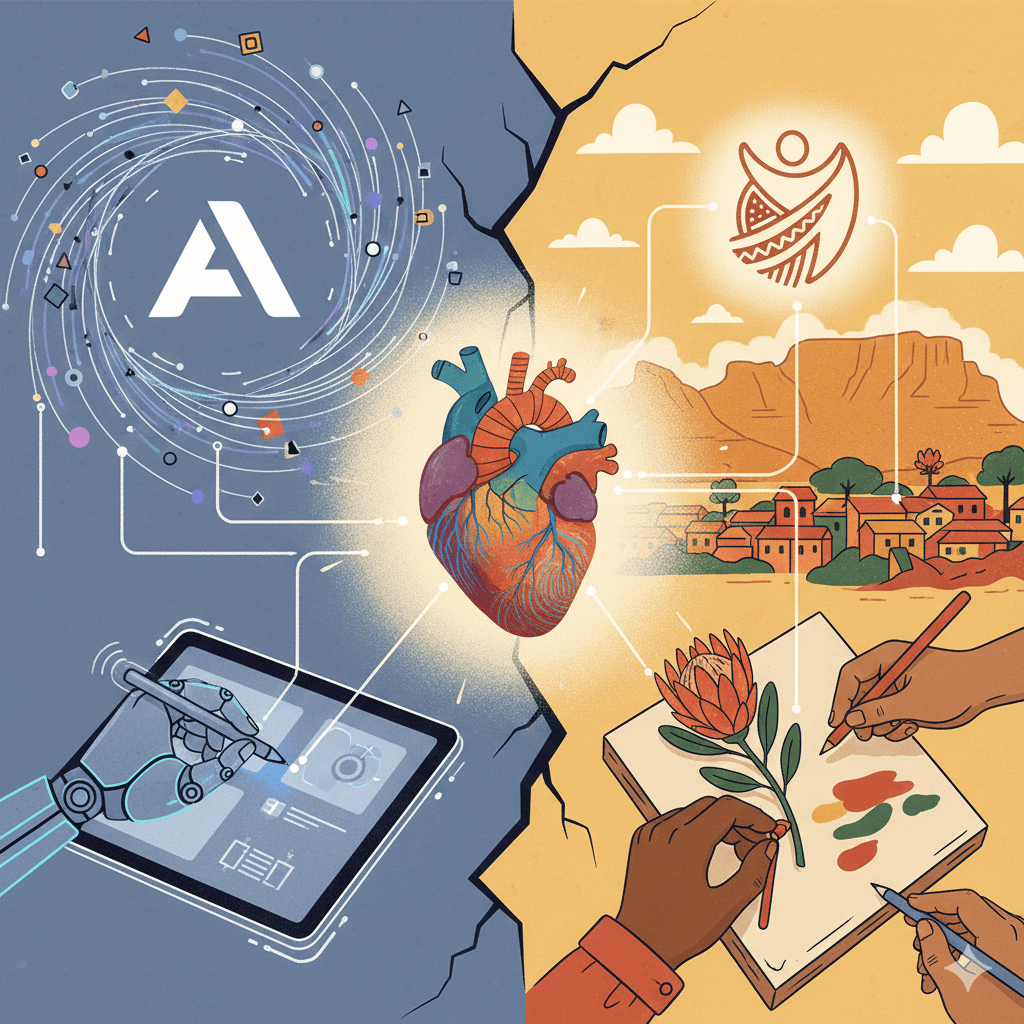
Understanding “The Human Edge” in 2026
The overarching theme dominating South African small business branding this year is the move away from corporate perfection toward authentic, culturally rooted identities. As AI-generated content floods the market, consumers have developed a sixth sense for detecting generic, soulless branding. They’re craving something real, something local, something unmistakably human.
Fort Hartley and Bunnypants, two of South Africa’s most respected design agencies, have observed that big brands are leaning back into cultural specificity after years of playing it safe with universal, sanitized aesthetics. For small businesses, this represents a golden opportunity. You don’t need to compete on polish or perfection anymore. You need to compete on authenticity, personality, and courage.
This shift manifests in several ways: braver color choices that reflect our unique landscapes, deliberately imperfect design elements that signal human craftsmanship, and brand voices that embrace South African humor and slang rather than corporate-speak. In 2026, the question isn’t “Does this look professional?” but rather “Does this feel real?”
Color Trends That Capture the South African Spirit
Five Essential Palettes for 2026
Color psychology remains one of the most powerful tools in a brand’s arsenal, and 2026’s palettes strike a fascinating balance between global futuristic tones and grounding neutrals that reflect our distinctive landscapes.
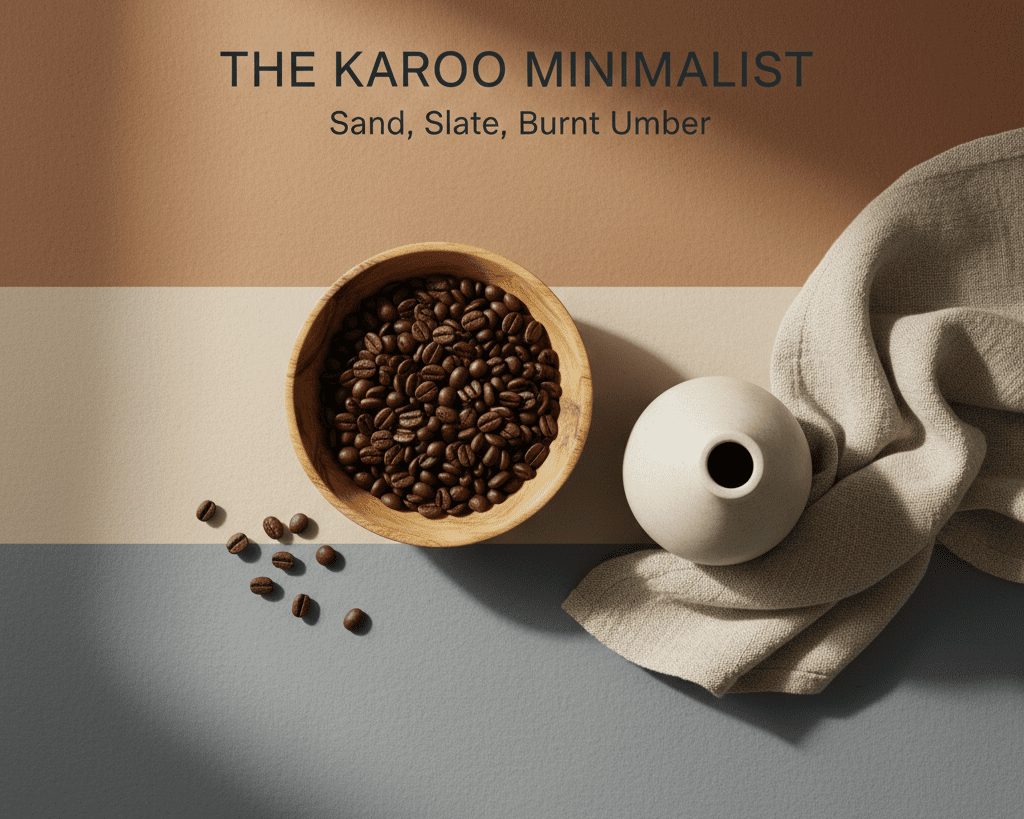
The Karoo Minimalist
This palette centers on sand, slate, and burnt umber—the quiet, contemplative tones of South Africa’s vast interior. It’s perfect for artisan brands, sustainable makers, and businesses that want to convey “quiet luxury” without ostentation. Think handcrafted furniture makers, boutique coffee roasters, and heritage-inspired homeware brands.
The Karoo Minimalist works because it feels both timeless and distinctly South African. These aren’t colors borrowed from Scandinavian minimalism; they’re drawn from our own earth, our own sunsets, our own sense of space and contemplation.
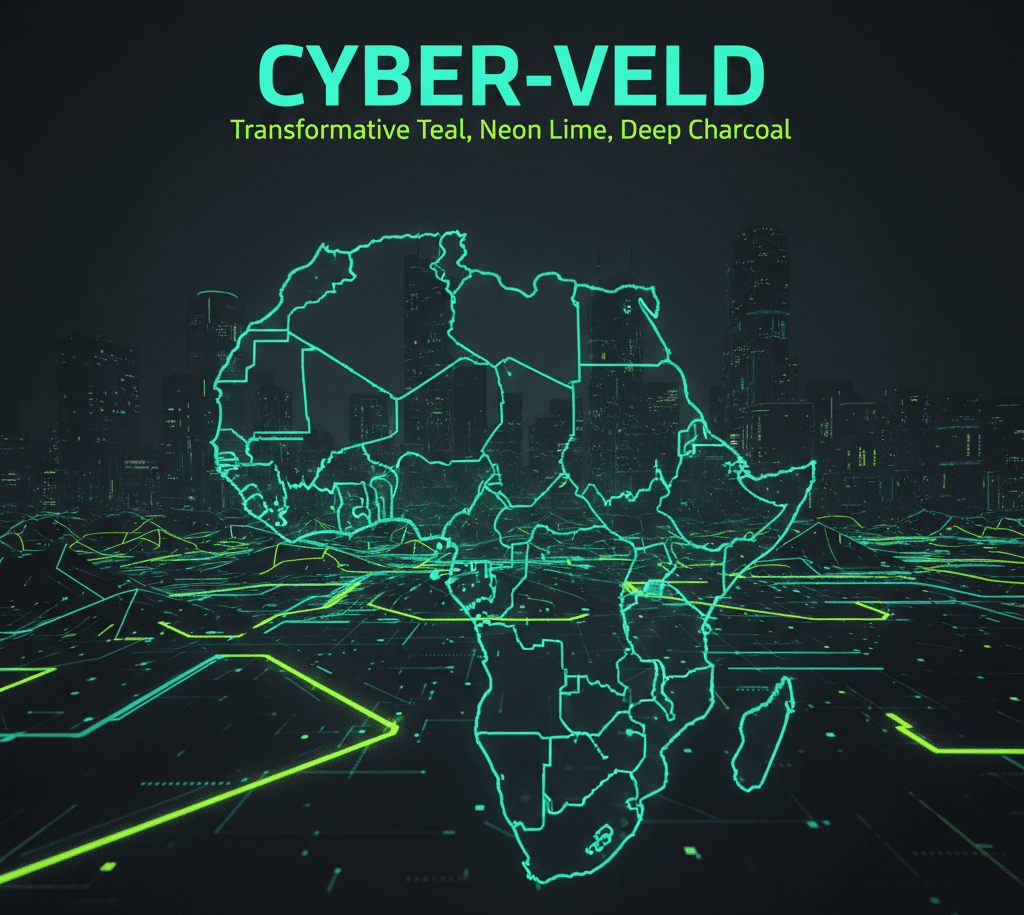
Cyber-Veld: Where Technology Meets Terrain
For tech startups and innovative service providers, Cyber-Veld offers an exciting fusion of high-tech energy and local identity. The star of this palette is Transformative Teal, paired with neon lime accents and deep charcoal foundations. This combination says “cutting-edge” without saying “Silicon Valley clone.”
South African tech companies are increasingly rejecting the friendly blues and oranges that dominated the 2010s startup aesthetic. Cyber-Veld positions your brand as sharp, fast, and distinctly African-futuristic. It’s Johannesburg’s skyline meeting the digital frontier.
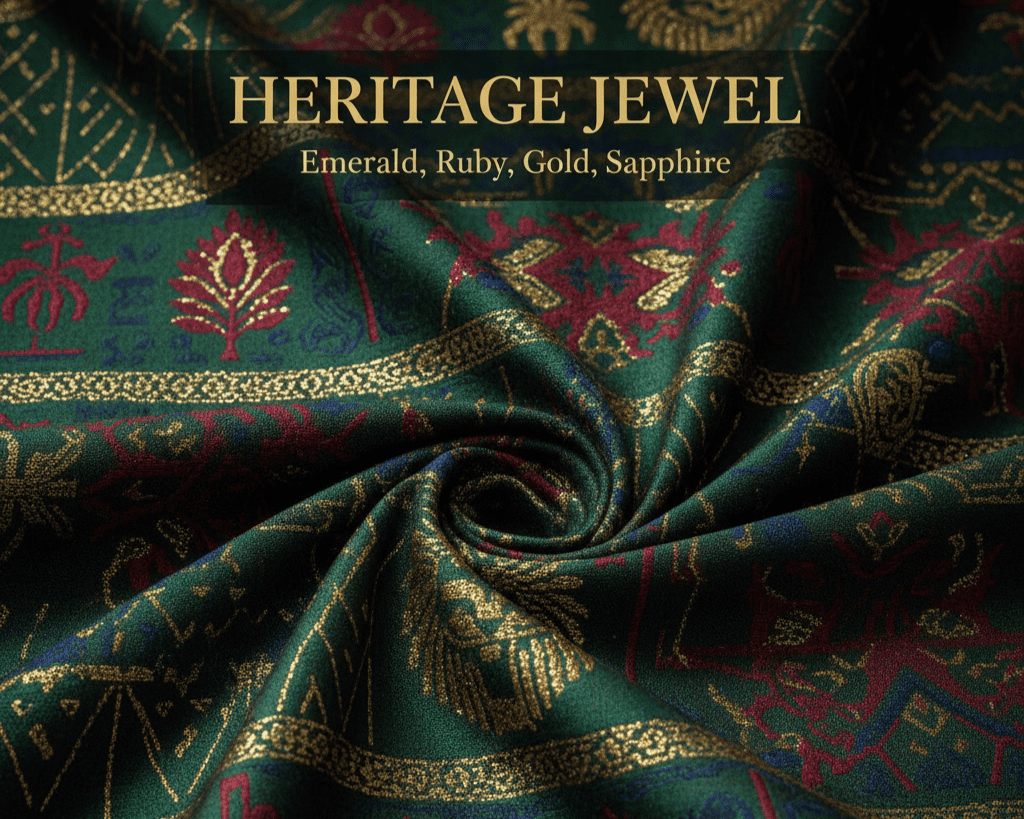
Heritage Jewel
Rich, confident, and unapologetically premium, the Heritage Jewel palette draws from emerald, ruby, gold, and sapphire tones. This scheme has gained particular traction in the “Modern African” fashion sector, where brands are reclaiming luxury aesthetics on their own terms.
This isn’t about colonial opulence—it’s about the jewel tones found in traditional textiles, the richness of African flora, and the confidence of a continent that’s always been wealthy in culture and creativity. Use this palette when you want to signal quality and heritage without looking backward.
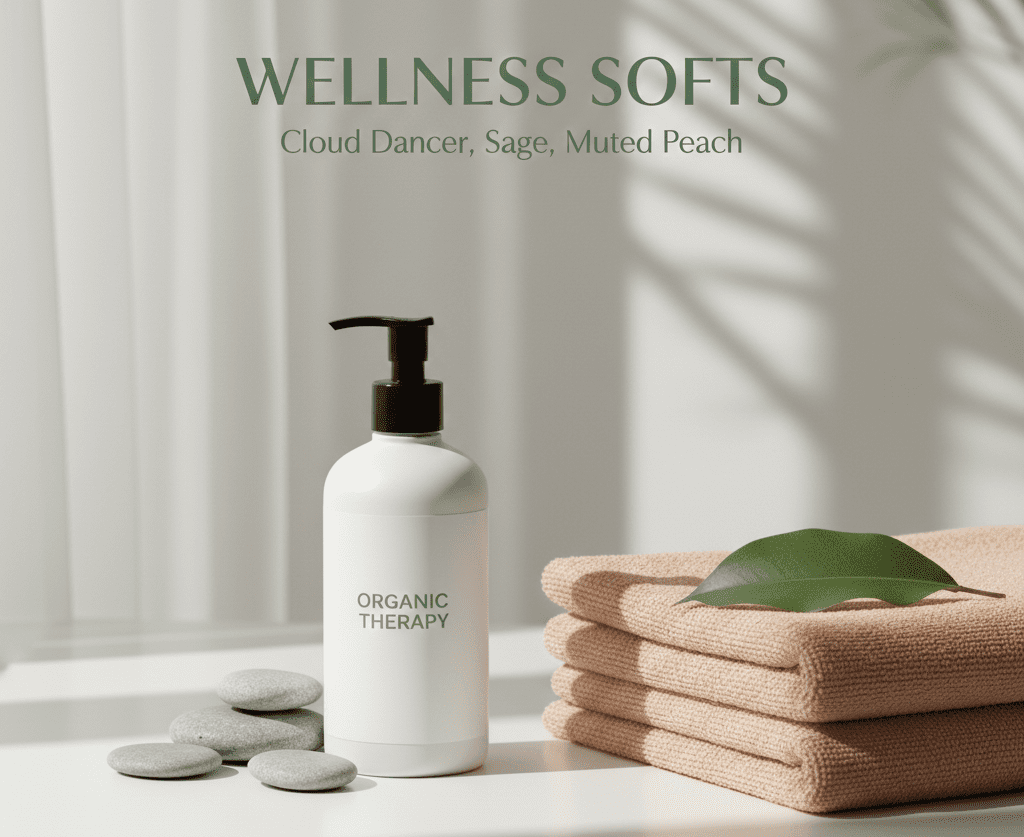
Wellness Softs
Dominating the skincare and lifestyle sectors, Wellness Softs centers on Cloud Dancer (a sophisticated off-white), sage, and muted peach. These calming, therapeutic tones speak to consumers seeking refuge from digital overstimulation and urban stress.
In a market increasingly focused on mental health and self-care, this palette positions your brand as a sanctuary. It’s particularly effective for health practitioners, wellness coaches, organic product lines, and any business that wants to emphasize calm, clarity, and care.
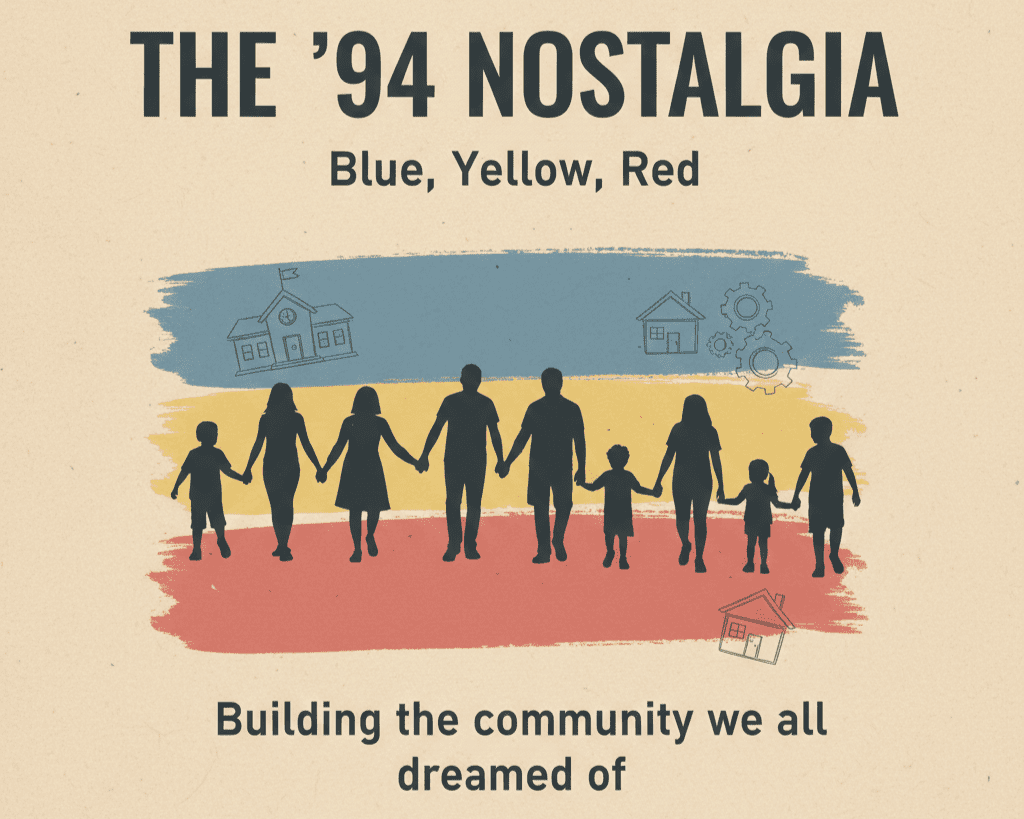
The ’94 Nostalgia
Perhaps the most emotionally resonant palette, The ’94 Nostalgia reimagines the primary colors of South Africa’s democratic flag—blue, yellow, and red—in slightly desaturated tones that evoke early democracy optimism without feeling dated.
This palette is playful, community-focused, and works beautifully for social enterprises, educational initiatives, and brands that want to emphasize their role in building the South Africa we all dreamed of. It’s nostalgia with purpose, looking back to look forward.
Logo Styles That Define the New Era
Neo-Minimalism: Less Is More Complex
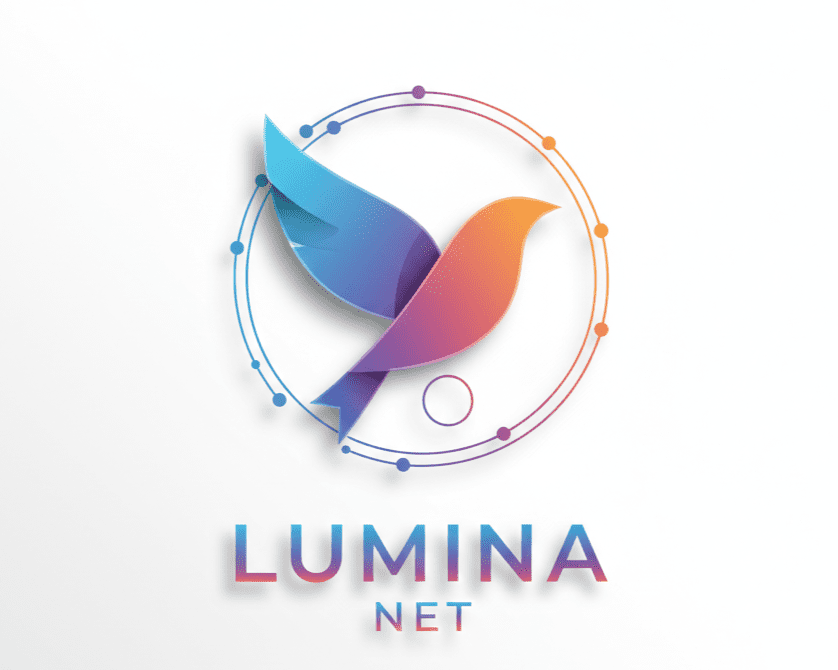
The minimalist logo trend hasn’t died—it’s evolved. Neo-minimalism in 2026 takes extreme negative space and adds futuristic elements: smooth gradients that catch the light differently on screens, subtle 3D-effect shadows that give flat designs unexpected depth, and typography that feels simultaneously stripped-back and sophisticated.
What separates neo-minimalism from its predecessors is intentionality. Every element serves a purpose. The negative space isn’t just empty—it’s doing work, creating secondary images or guiding the eye through the composition. For small businesses, this style offers timeless appeal with contemporary edge.
Dynamic and Contextual Logos: One Brand, Many Faces
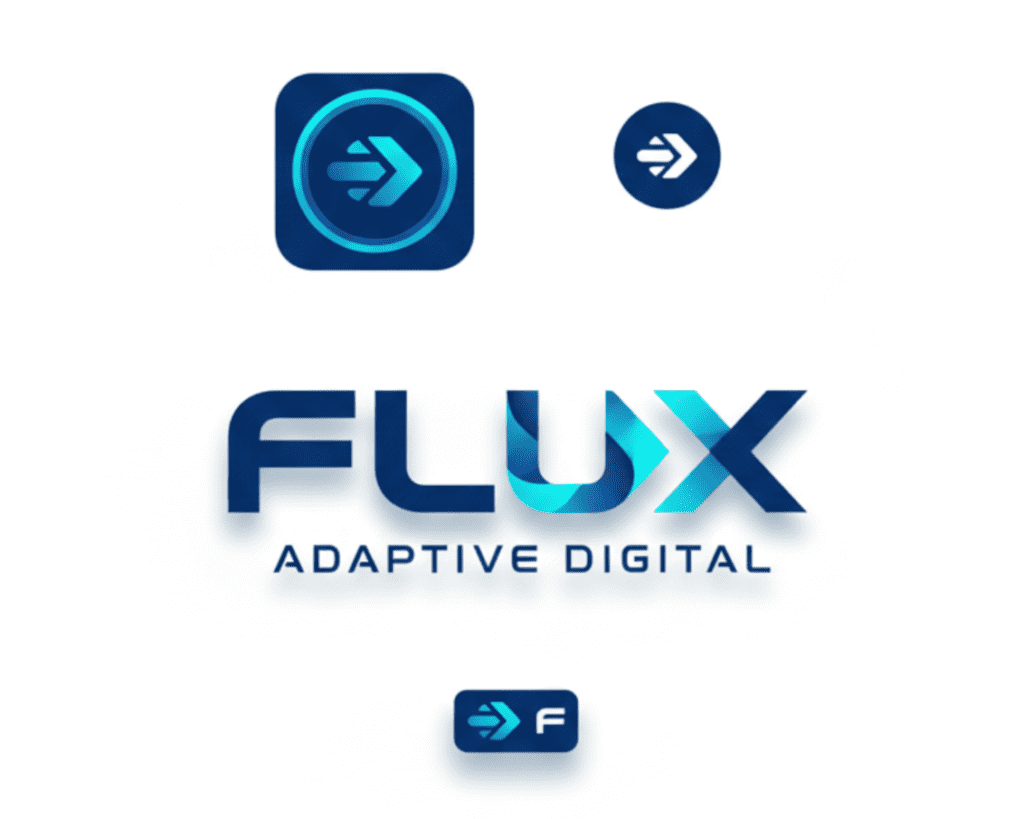
The days of the single, static logo are over. In 2026, smart branding includes “Responsive Sets”—variations of your logo optimized for different contexts. You’ll need a version that works as a 16×16 pixel WhatsApp avatar, another for your Instagram profile, a horizontal version for email signatures, and a simplified favicon.
This isn’t about having an inconsistent brand; it’s about having an adaptable one. Your logo needs to work equally well on a billboard and a smartwatch screen. Small businesses that invest in responsive logo sets communicate professionalism and digital literacy—essential qualities in an increasingly mobile-first market.
Kinetic Typography: Motion in Stillness
Even when static, the best logos of 2026 feel like they’re in motion. Kinetic typography uses variable fonts—font files that allow infinite weight and width adjustments—to create logos that feel dynamic and alive. These designs stretch, compress, and adapt to different screen sizes while maintaining their essential character.
For service-based businesses, tech companies, and brands that want to emphasize innovation and flexibility, kinetic typography signals forward-thinking energy. It’s particularly effective for businesses operating primarily in digital spaces, where your logo will be seen on screens far more often than printed materials.
Hand-Crafted Imperfection: The Human Touch
In direct response to AI-saturated markets, hand-crafted imperfection has emerged as a powerful differentiator. These logos simulate block prints, linocuts, and other tactile techniques, embracing deliberate irregularities that scream “Made by Humans.”
This style works exceptionally well for artisan businesses, sustainable brands, and any company that wants to emphasize craftsmanship over mass production. The slight wobble in a letterform, the uneven texture of a simulated stamp—these “flaws” have become premium signifiers, proof that a real person cared enough to make something imperfect and therefore authentic.
The 2026 Brand Kit: Beyond Logo and Business Card
Essential Components of a Modern South African Brand Kit
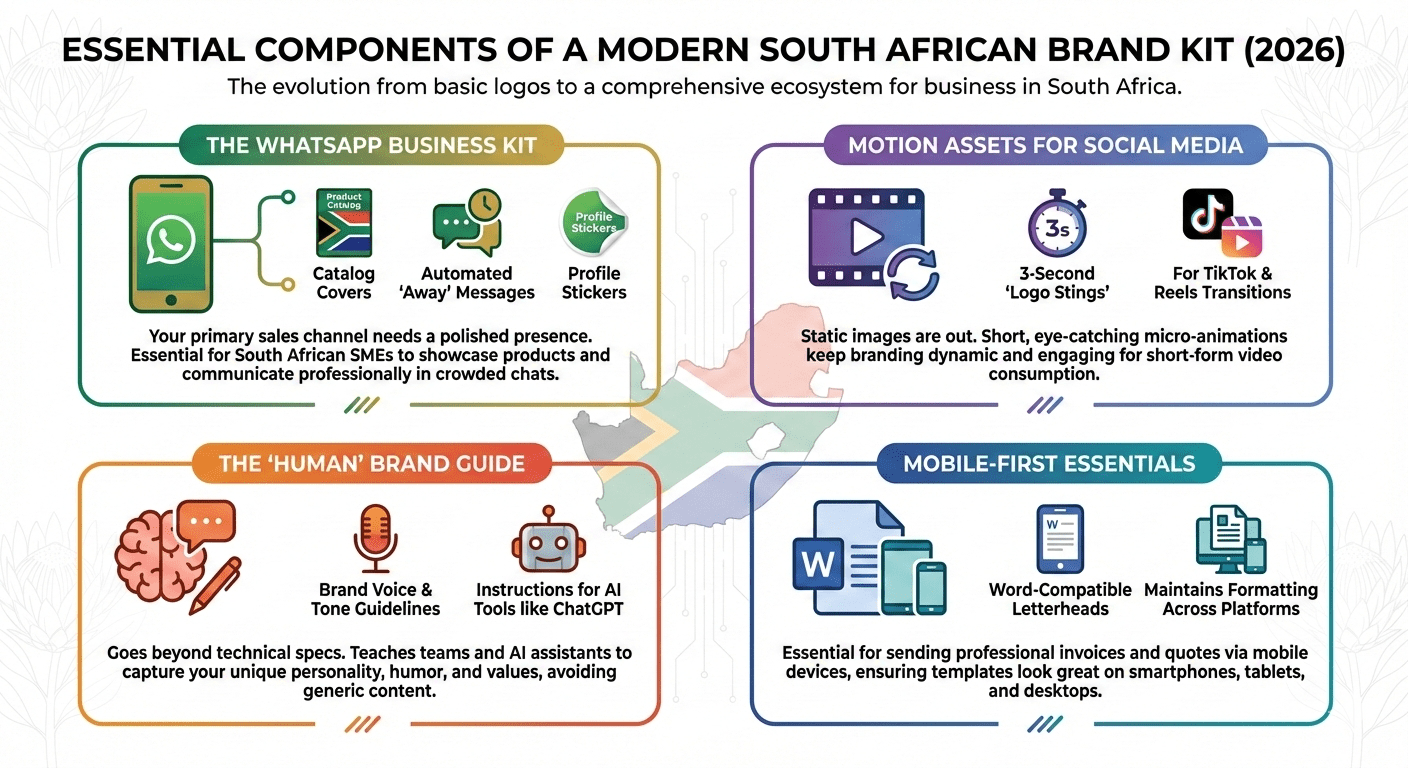
The brand kit has evolved dramatically. What was once simply a logo, color palette, and business card has expanded into a comprehensive ecosystem of assets designed for how South Africans actually do business in 2026.
The WhatsApp Business Kit
Given WhatsApp’s dominance in South African business communication, a proper brand kit now includes WhatsApp-specific assets: custom catalog covers that showcase products professionally, automated “Away” message templates written in your brand voice, and profile stickers that make your business instantly recognizable in crowded chat lists.
This isn’t frivolous—for many South African SMEs, WhatsApp is the primary sales and customer service channel. Your WhatsApp presence needs to be as polished as your website.
Motion Assets for Social Media
Static images don’t cut it anymore. Your 2026 brand kit should include 3-second “Logo Stings”—short, eye-catching animations perfect for TikTok and Reels transitions. These micro-animations keep your branding dynamic and engaging, perfect for the short-form video content that dominates South African social media consumption.
The “Human” Brand Guide
Traditional brand guides focused on technical specifications: don’t stretch the logo, use these Pantone colors, maintain this much spacing. The 2026 brand guide goes deeper, including comprehensive Brand Voice & Tone guidelines—crucially, instructions for how to make AI tools like ChatGPT sound like your brand.
This recognizes reality: most small businesses will use AI for content creation at some point. The question is whether that AI-generated content will sound generic or distinctly like you. A proper brand guide teaches anyone on your team (or any AI assistant) how to capture your personality, humor, and values in words.
Mobile-First Essentials
Word-compatible letterheads remain essential for South African SMEs who send invoices and quotes via mobile devices. Your brand kit needs to include templates that look professional whether opened on a smartphone, tablet, or desktop—and that maintain their formatting across different platforms.
Sector-Specific Branding Strategies
Food & Beverage: Provenance Storytelling
The farm-to-table aesthetic has been exhausted. In 2026, successful food and beverage brands are leaning into granular provenance storytelling—bold typography that names the specific farmer who grew your ingredients, the particular region of the Karoo where your lamb was raised, or the exact fynbos species in your botanical beverage.
This hyper-specificity builds trust and creates narrative depth that generic “natural” or “local” claims can’t match. Consumers want to know not just that your product is local, but exactly how local and from whom.
Tech Startups: AI-Native Aesthetics
South African tech brands are consciously moving away from the “friendly blue” aesthetic that dominated the 2010s. The new standard embraces cyberpunk-inspired layouts and high-contrast dark modes that look sharp, fast, and intentionally challenging.
This shift reflects confidence: South African tech doesn’t need to apologize or soften itself. It can be aggressive, ambitious, and unapologetically cutting-edge. The aesthetic says “we’re building the future” rather than “please trust us, we’re harmless.”
Skincare: Derm-Minimalism
Transparency is everything in 2026 skincare branding. Labels list every ingredient clearly, packaging uses mono-materials (all one type of plastic or glass) to signal genuine recyclability, and many brands are printing directly on bottles rather than using separate labels to reduce waste.
Derm-minimalism isn’t just an aesthetic choice—it’s an ethical stance. It says “we have nothing to hide” and appeals to increasingly savvy consumers who can spot greenwashing from a kilometer away.
Action Plan: Building Your Brand from Scratch
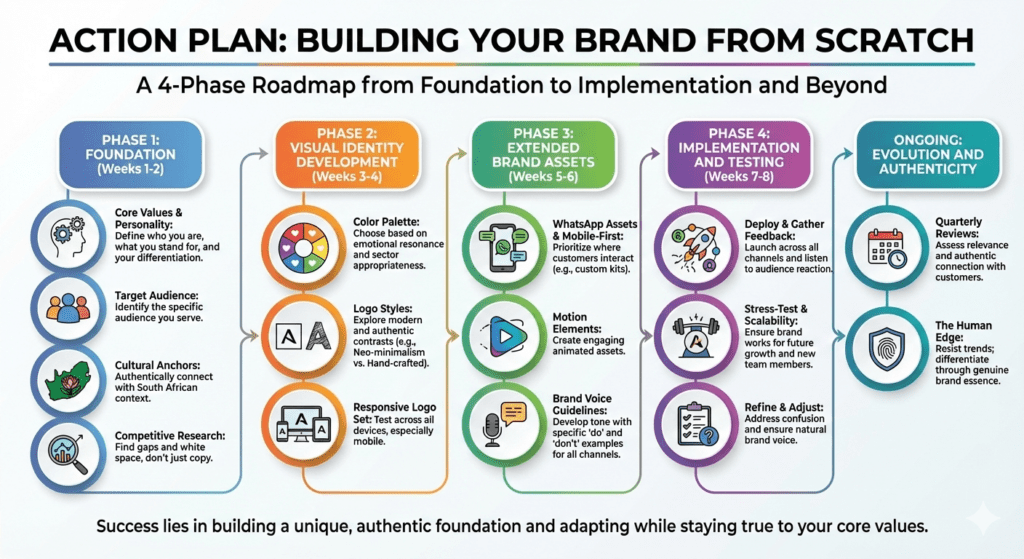
Phase 1: Foundation (Weeks 1-2)
Start with deep internal work before touching design software. Define your brand’s core values, personality traits, and the specific audience you serve. Who are you? What do you stand for? What makes you different from every competitor?
Crucially, identify your cultural anchors. What aspects of South African culture, landscape, or experience are authentic to your story? This isn’t about appropriation or forcing connection—it’s about recognizing what’s genuinely part of your brand’s DNA.
Research your competitive landscape not to copy, but to find gaps. What aesthetic territories are oversaturated in your sector? Where’s the white space?
Phase 2: Visual Identity Development (Weeks 3-4)
Choose your color palette based on emotional resonance and sector appropriateness. Don’t just pick colors you like—pick colors that make your target audience feel what you want them to feel.
Develop your logo exploring at least two of the styles discussed: perhaps neo-minimalism for digital applications and hand-crafted imperfection for packaging, creating intentional contrast that positions you as both modern and authentic.
Work with a designer or use professional tools to create your responsive logo set. Test every version at the actual sizes where it will appear, especially on mobile devices.
Phase 3: Extended Brand Assets (Weeks 5-6)
Build out your complete brand kit including WhatsApp assets, motion elements, and mobile-first templates. If budget is limited, prioritize based on where your customers actually interact with you—if you sell primarily through WhatsApp, invest there first.
Develop your brand voice guidelines with specific examples. Write sample social media posts, customer service responses, and website copy that exemplify your tone. Include both what to do and what not to do.
Phase 4: Implementation and Testing (Weeks 7-8)
Deploy your brand across all touchpoints and gather feedback. Pay attention to where confusion arises or where your branding isn’t working as intended. Is your logo illegible at small sizes? Does your brand voice feel forced or natural?
This is also when you should stress-test your brand for scalability. Can a new team member understand and apply your brand guidelines? Does your visual system work for products or services you might add in the future?
Ongoing: Evolution and Authenticity
Brands aren’t static, especially in rapidly changing markets. Set quarterly reviews where you assess whether your brand still feels authentic and relevant. Are you keeping up with how your customers communicate? Are you staying true to your values while adapting your expression?
Most importantly, resist the urge to copy what’s trending if it doesn’t fit your brand’s essence. The whole point of “The Human Edge” is differentiation through authenticity, not following what everyone else is doing.
Practical Investment Guidelines
For small businesses working with limited budgets, prioritize strategically. A comprehensive brand kit from a reputable agency might cost between R25,000 and R75,000, but you can phase your investment:
Minimum Viable Brand (R8,000-R15,000): Logo suite, basic color palette, 2-3 templates for essential materials, WhatsApp assets.
Growing Business Brand (R20,000-R40,000): Everything above plus motion assets, comprehensive brand guide, sector-specific applications.
Premium Brand Package (R45,000+): Full brand strategy, extensive asset library, custom patterns or illustrations, ongoing consultation.
Remember that brand investment isn’t an expense—it’s the foundation of every marketing rand you’ll ever spend. A strong brand makes all your other efforts more effective.
Final Thoughts: Braver, Not Safer
The most important lesson from 2026’s branding trends is this: safe is the new risky. When AI can produce technically competent but soulless branding instantly, playing it safe makes you invisible. The brands that will thrive are those willing to be distinctly themselves—imperfect, specific, culturally rooted, and unapologetically human.
South African small businesses have a unique advantage in this landscape. We have rich cultural depth, linguistic diversity, and landscape specificity that global brands can’t authentically claim. We have humor, resilience, and stories that AI can’t generate because they’re rooted in lived experience.
Your brand isn’t just about looking good—it’s about being recognizable, memorable, and meaningful. It’s about creating connection in an increasingly disconnected digital world. It’s about proving, every time someone encounters your business, that there are real humans behind it who care about what they’re doing.
In 2026, that human edge isn’t just nice to have. It’s everything.